12 Stats About Bedside Cot For Infants To Make You Think About The Other People


The Importance of Bedside Cots for Infants: A Comprehensive Guide
As new parents embark on their parenting journey, they are challenged with a myriad of options worrying their infant's sleep arrangements. Among these options, the bedside cot stands apart for its myriad of advantages. This short article checks out the significance of bedside cots, discusses their advantages and drawbacks, answers frequently asked questions, and includes a comparative table to help parents make notified decisions.
What Is a Bedside Cot?
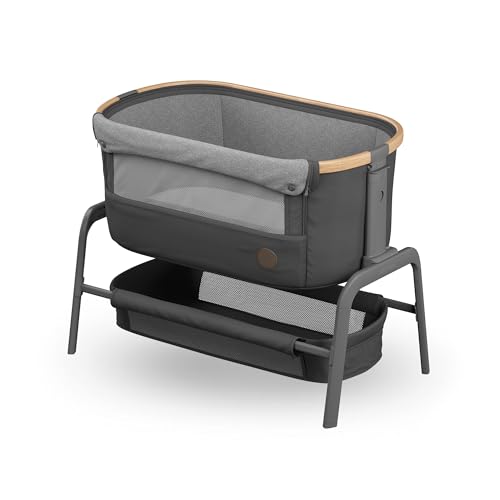
A bedside cot is a sleep space designed to be put next to the parents' bed, enabling easy access to the infant throughout the night. These cots feature adjustable height settings, enabling them to line up with the height of the adult bed. Typically, they can be attached firmly to the bed or remain close by, offering a safe yet available sleep environment for the baby.
Kinds Of Bedside Cots
- Co-Sleeping Cots: These cots attach firmly to the parents' bed, permitting for close proximity while ensuring the baby has their own safe sleeping space.
- Freestanding Cots: These are located beside the bed however do not connect directly. They still provide a convenient grab feeding and reassuring.
- Portable Cots: These cots are lightweight and designed for travel, frequently featuring collapsible designs and easy-transport abilities.
Advantages of Using a Bedside Cot
Bedside cots supply numerous benefits that can improve both the infant's sleep experience and the parents' assurance. These include:
1. Boosted Safety
According to the American Academy of Pediatrics (AAP), having the infant sleep in the very same room as parents, without sharing the same sleeping surface area, substantially decreases the threat of Sudden Infant Death Syndrome (SIDS). A bedside cot offers a safe space while maintaining proximity.
2. Easier Nighttime Care
When a baby is within arm's reach, feeding, diaper modifications, and comforting ends up being much more convenient. Parents can rapidly soothe their infant without completely waking from sleep or leaving the bed.
3. Support of Bonding
The close proximity offered by a bedside cot motivates bonding during nighttime feedings or soothing. This can promote a complacency for the infant and help establish stronger emotional connections.
4. Space-saving Design
Many bedside cots are designed to be compact, making them ideal for small living spaces where a full-sized crib may not fit. They can be quickly moved or saved when not in use.
5. Versatile Functionality
Most bedside cots can be changed in height and typically include detachable sides, making them versatile for different usages as the child grows or household needs change.
Drawbacks of Bedside Cots
Despite their advantages, there are some drawbacks to think about when selecting a bedside cot:
1. Minimal Lifespan
Bedside cots usually have a shorter lifespan than basic cribs, frequently accommodating infants just up to a certain weight or height. Parents might need to shift to a full crib faster than expected.
2. Stability Concerns
If not safely attached or effectively placed, a bedside cot may position safety concerns. Parents must make sure that the cot is stable and well-aligned with the bed.
3. Adjustment Period
Some infants may require time to get utilized to sleeping in a cot, particularly if they are used to closer contact. Parents may need to be client as their child adapts.
How to Choose the Right Bedside Cot
When choosing a bedside cot, parents should consider the following requirements:
- Safety Standards: Ensure the cot adheres to all safety regulations.
- Adjustability: Look for height-adjustable features that align with your bed.
- Construction Material: Choose a cot that is sturdy and made from non-toxic materials.
- Relieve of Use: Opt for styles that permit for one-handed operation when accessing the infant.
Table: Comparison of Popular Bedside Cots
| Feature | Co-Sleeping Cot | Freestanding Cot | Portable Cot |
|---|---|---|---|
| Attachment to Bed | Yes | No | No |
| Adjustability | Yes | Yes | Yes |
| Travel-Friendly | No | No | Yes |
| Life expectancy | 6-12 months | 18-24 months | 0-12 months |
| Rate Range | ₤ 150-₤ 300 | ₤ 100-₤ 250 | ₤ 50-₤ 150 |
Frequently Asked Questions (FAQs)
1. Are bedside cots safe for my baby?
Yes, when used properly and according to security requirements, bedside cots are safe for infants. It is important to make sure that the cot is securely positioned and does not position any threat of falling.
2. At what age can I transition my baby from a bedside cot to a crib?
A lot of parents transition their baby from a bedside cot to a crib in between six months and 2 years, depending upon the infant's development and comfort level.
3. Can I use a bedside cot for twins?
While some bedside cots are designed to accommodate more than one kid, most are planned for single infants. Parents of twins might need to consider utilizing different cots.
4. How do I maintain my bedside cot?
Routine cleaning, checking for wear and tear, and ensuring that all elements, such as safety straps and mattress, are in excellent condition, can help keep your bedside cot.
Picking the best sleep arrangement for an infant is one of the lots of choices that new parents deal with. Bedside Cot For Modern Nursery uses unequaled benefit and security while enabling close parental interaction. Understanding the benefits, drawbacks, and functions of bedside cots can empower parents to make the right option for their family's requirements. By weighing these factors along with security precautions, parents can produce a nurturing sleep environment for their children.